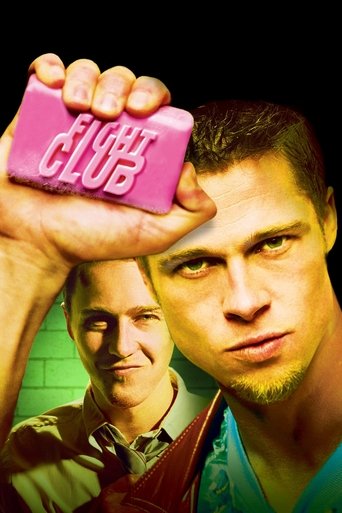
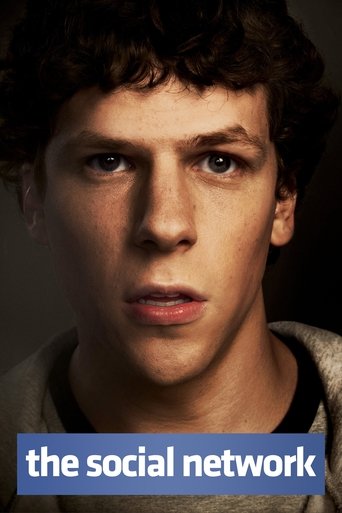
Fight Club currently dominates The Social Network 78–22
Fincher's anarchist parable routs his Facebook dissection.
Who do you think should win?






The Verdict Director's Cut
Norton punching himself in the parking lot — the first fight, the one that starts everything, shot with Fincher's clinical detachment as two men discover that hitting each other feels more real than anything their jobs provide — is the scene that made Fight Club a generational text. Fincher's Social Network has Eisenberg's Zuckerberg, has Sorkin's velocity, has the rowing regatta edited like an action sequence. But Fight Club's thesis — that consumer culture has produced men who can only feel alive through self-destruction — connected at a nerve Fincher hasn't touched since. The gap says the nerve is still exposed. The cultural diagnosis lands harder than the cultural portrait.
The Numbers
| Fight Club | The Social Network | |
|---|---|---|
| Head-to-Head | 78% | 22% |
| Overall Win Rate | 57% | 43% |
| Championships | 86 | 32 |
| Avg Decision | 3.6s | 2.3s |
| Budget | $63M | $40M |
| Box Office | $101M | $225M |
Where This Matchup Sits
Out of 105 Drama films on the platform, Fight Club is in the top quarter and The Social Network is in the lower half.
Within David Fincher's filmography on the platform, Fight Club at #1 and The Social Network at #6 out of 9.
Against other opponents on BingeBracket, the picture shifts. Fight Club beats Zodiac, but The Social Network loses to it — the same opponent produces opposite results.
Across tournament rounds, early-round voters and later-round voters disagree. Fight Club gains momentum in deeper rounds, which suggests the more invested the voter, the more it benefits.
The championship record tells the same story: Fight Club has 86 tournament wins to The Social Network's 32. The pedigree gap matches the head-to-head gap.
Where to Watch


Availability may vary by region.
Want to pit Fight Club against something else?
Build your own bracket with any films you want.