2001: A Space Odyssey currently beats Barry Lyndon 65–35
The Stargate edges out the candlelit interiors — cosmic Kubrick leads period Kubrick.
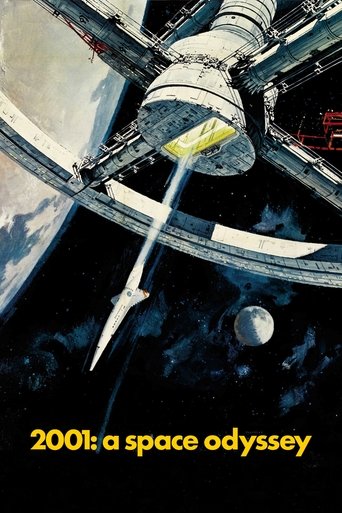
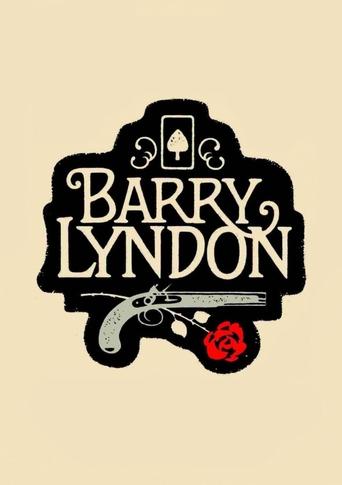
Who do you think should win?



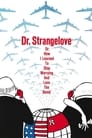

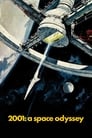
The Verdict Director's Cut
2001's bone-to-satellite match cut — the earliest tool becoming the most advanced, four million years compressed into a single edit — is one of cinema's most famous transitions and a formal innovation that Barry Lyndon's more conventional period-film structure never attempts. Kubrick's space film reaches for the sublime through abstraction. His period film reaches for it through meticulousness — the NASA-lens photography, the natural-light interiors, every frame composed as a painting. Both are sublime. The lead says the sublimity achieved through abstraction outperforms the sublimity achieved through precision. The cut that spans millennia carries further than the candle that flickers once.
The Numbers
| 2001: A Space Odyssey | Barry Lyndon | |
|---|---|---|
| Head-to-Head | 65% | 35% |
| Overall Win Rate | 65% | 43% |
| Championships | 14 | 6 |
| Avg Decision | 4.2s | 4.4s |
| Budget | $12M | $11M |
| Box Office | $72M | $32M |
Where This Matchup Sits
For genre context, 2001: A Space Odyssey sits at #10 in Science Fiction on BingeBracket.
From Stanley Kubrick's filmography of 8 on the platform, 2001: A Space Odyssey at #1 and Barry Lyndon at #7.
The championship record tells the same story: 2001: A Space Odyssey has 14 tournament wins to Barry Lyndon's 6. The pedigree gap matches the head-to-head gap.
2001: A Space Odyssey grossed $72M to Barry Lyndon's $32M. On BingeBracket, the result runs the same direction — commercial success and bracket preference align here.
Where to Watch


Availability may vary by region.
Want to pit 2001: A Space Odyssey against something else?
Build your own bracket with any films you want.