Blade Runner currently just beats Blade Runner 2049 52–48
Same world, different eras, different directors. No consensus on who did it better.
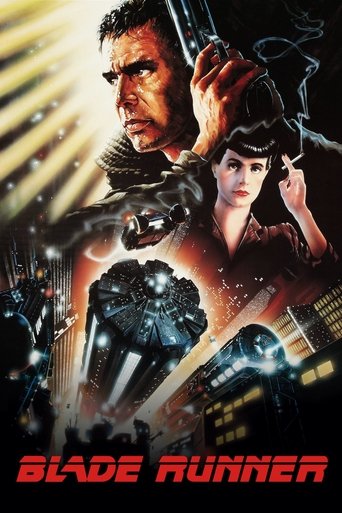
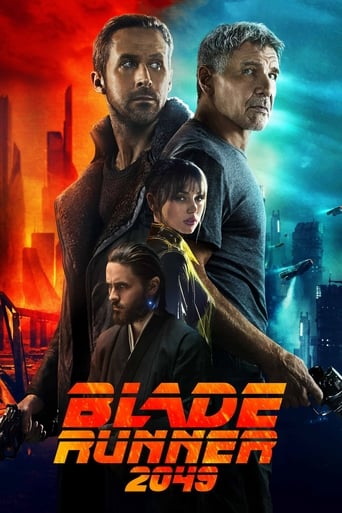
Who do you think should win?


The Verdict Franchise Civil War
Thirty-five years between them, two different directors, and the vote is split. Scott's Blade Runner is atmosphere first: rain, neon, Vangelis, a protagonist who may not be human, all held together by mood rather than plot. Villeneuve's is composition first: every Deakins frame balanced and deliberate, Gosling's stillness anchoring a longer, slower investigation of the same world. The tie says neither approach to this material has won the argument. People who value texture choose Scott, people who value precision choose Villeneuve, and the split looks stable.
The Numbers
| Blade Runner | Blade Runner 2049 | |
|---|---|---|
| Head-to-Head | 52% | 48% |
| Overall Win Rate | 49% | 56% |
| Championships | 12 | 232 |
| Avg Decision | 2.6s | 3.8s |
| Budget | $28M | $150M |
| Return | 1.5x | 1.7x |
Blade Runner 2049 has the stronger overall record on BingeBracket at 56% to 49%. Against most opponents, it wins more — just not against Blade Runner.
Where This Matchup Sits
Neither leads nor trails Science Fiction on BingeBracket — both sit in the middle of 69 films.
Where to Watch


Availability may vary by region.
Want to pit Blade Runner against something else?
Build your own bracket with any films you want.