Rosemary's Baby currently beats A Nightmare on Elm Street 57–43
Polanski's apartment of slow dread outlasts Freddy's dream carnage.
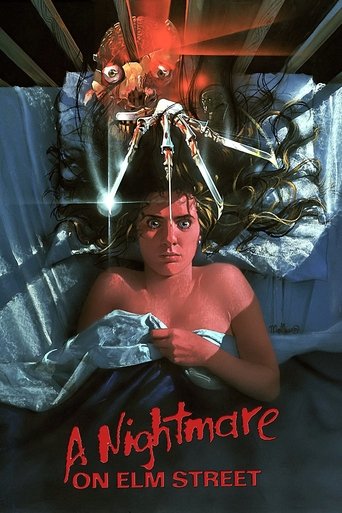
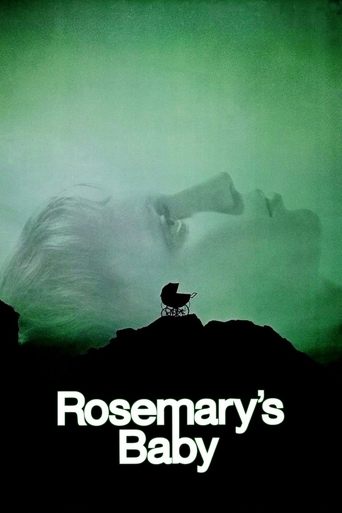
Who do you think should win?




The Verdict Decade Duel
Polanski builds his horror from details so small you almost miss them — a strange taste, a husband’s sudden deference, neighbours who are too attentive. By the time you’ve assembled the picture, it’s too late. The accumulation is what’s unbearable, and Polanski refuses to release the pressure even when a lesser film would offer catharsis. Craven’s Elm Street gives you the picture immediately: there’s a man with knives for fingers and he lives in your dreams. That directness is effective but finite. At 57 to 43, voters choose the horror that accumulates over the horror that announces itself. Rosemary’s Baby is still frightening because you’re never sure exactly when it became a horror film. Elm Street always knew what it was.
The Numbers
| A Nightmare on Elm Street | Rosemary's Baby | |
|---|---|---|
| Head-to-Head | 43% | 57% |
| Overall Win Rate | 47% | 47% |
| Championships | 11 | 19 |
| Avg Decision | 1.1s | 1.1s |
| Budget | $2M | $3M |
| Return | 31.7x | 10.4x |
Where This Matchup Sits
Elsewhere on the platform, Psycho reveals where they differ: Rosemary's Baby wins that matchup easily, while A Nightmare on Elm Street struggles with it.
Across tournament rounds, early-round voters and later-round voters disagree. A Nightmare on Elm Street gains momentum in deeper rounds, which suggests the more invested the voter, the more it benefits.
A Nightmare on Elm Street earned 31.7x its budget; Rosemary's Baby returned 10.4x. 16 years apart, raw dollar figures are misleading — but even on ROI, Rosemary's Baby wins the bracket despite the commercial disadvantage.
Where to Watch


Availability may vary by region.
Want to pit Rosemary's Baby against something else?
Build your own bracket with any films you want.