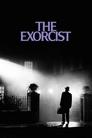
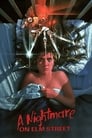
The Exorcist currently dominates A Nightmare on Elm Street 67–33
Friedkin's documented possession outlasts Craven's dream spectacle.
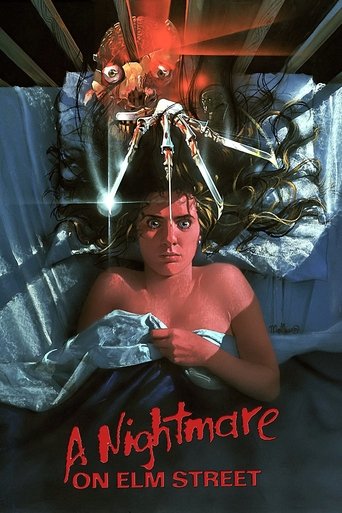
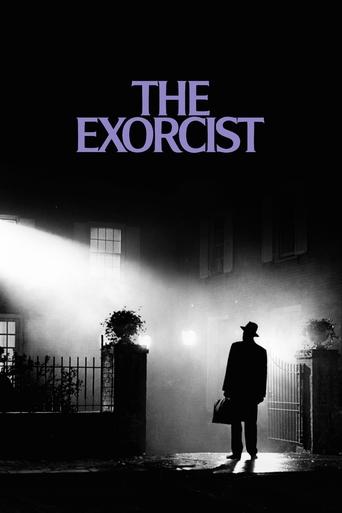
Who do you think should win?



The Verdict Decade Duel
Regan's head turning — the practical effect, the sound of vertebrae cracking, the priest's face — is the moment The Exorcist stopped being a horror film and became a cultural event. Friedkin shot possession the way he shot The French Connection's car chase: with a documentarian's refusal to aestheticize what the camera is seeing. The result is horror that feels witnessed rather than constructed. Craven's Elm Street is more inventive — the kills are wilder, the imagery more surreal — but invention at scale becomes spectacle, and spectacle is easier to process than testimony. The lead says testified horror outlasts spectacular horror. The film that feels like evidence beats the film that feels like a dream.
The Numbers
| A Nightmare on Elm Street | The Exorcist | |
|---|---|---|
| Head-to-Head | 33% | 67% |
| Overall Win Rate | 47% | 62% |
| Championships | 13 | 73 |
| Avg Decision | 1.2s | 1.2s |
| Budget | $2M | $12M |
| Box Office | $57M | $441M |
Where This Matchup Sits
Among 38 Horror films on BingeBracket, A Nightmare on Elm Street is in the upper half and The Exorcist at #7.
When matched against other films, The Exorcist can handle The Texas Chainsaw Massacre but A Nightmare on Elm Street can't. What one film wins comfortably, the other loses.
The championship record tells the same story: The Exorcist has 73 tournament wins to A Nightmare on Elm Street's 13. The pedigree gap matches the head-to-head gap.
The Exorcist earned $441M on a $12M budget while A Nightmare on Elm Street made $57M on $2M. The bracket result tracks the money — The Exorcist wins both.
Want to pit The Exorcist against something else?
Build your own bracket with any films you want.