Pulp Fiction currently beats Django Unchained 64–36
The nonlinear crime anthology edges out the revisionist slave narrative.
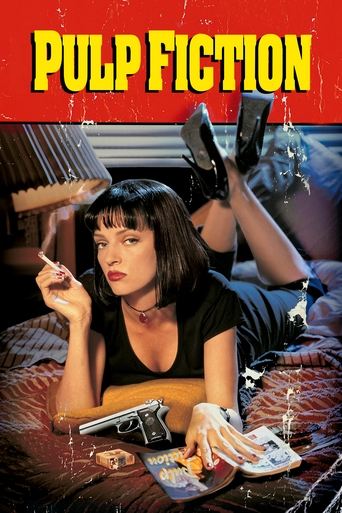
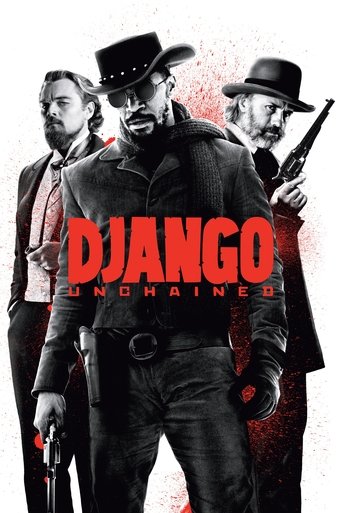
Who do you think should win?


The Verdict Director's Cut
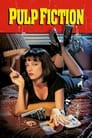
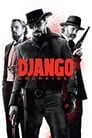
Pulp Fiction's structure — the scrambled timeline, the resurrection of a character the audience watched die, the diner holdup that bookends the film — is a formal innovation that Django's more conventional three-act structure never attempts. Tarantino's 1994 film proved that narrative disorder could be its own pleasure. His 2012 film told a straightforward liberation story with digressions. Both work. But the formal innovation of Pulp Fiction's structure gives the audience a puzzle to reassemble alongside the entertainment, and that dual engagement produces stronger bracket conviction. The film you solve while you watch it is winning over the one you simply watch.
The Numbers
| Pulp Fiction | Django Unchained | |
|---|---|---|
| Head-to-Head | 64% | 36% |
| Overall Win Rate | 56% | 45% |
| Championships | 65 | 18 |
| Avg Decision | 2.5s | 2.6s |
| Budget | $8M | $100M |
| Return | 26.7x | 4.3x |
Where This Matchup Sits
In Quentin Tarantino's filmography on BingeBracket, Pulp Fiction ranks #3 and Django Unchained ranks #5 out of 8.
Against other opponents, both dominate Kill Bill: Vol. 2 on the platform — a shared floor that suggests these two films belong in the same bracket tier.
The championship record tells the same story: Pulp Fiction has 65 tournament wins to Django Unchained's 18. The pedigree gap matches the head-to-head gap.
Across 18 years, raw box office numbers don't compare fairly. On return-on-budget, Pulp Fiction earned 26.7x while Django Unchained returned 4.3x. Pulp Fiction also takes the head-to-head on BingeBracket.
Where to Watch


Availability may vary by region.
Want to pit Pulp Fiction against something else?
Build your own bracket with any films you want.